NEWS
INDIA’S KARNATAKA STATE DITCHES 6-DECADE OLD LIQUOR PRICE CONTROL
By Staff Reporter
21-4-2026
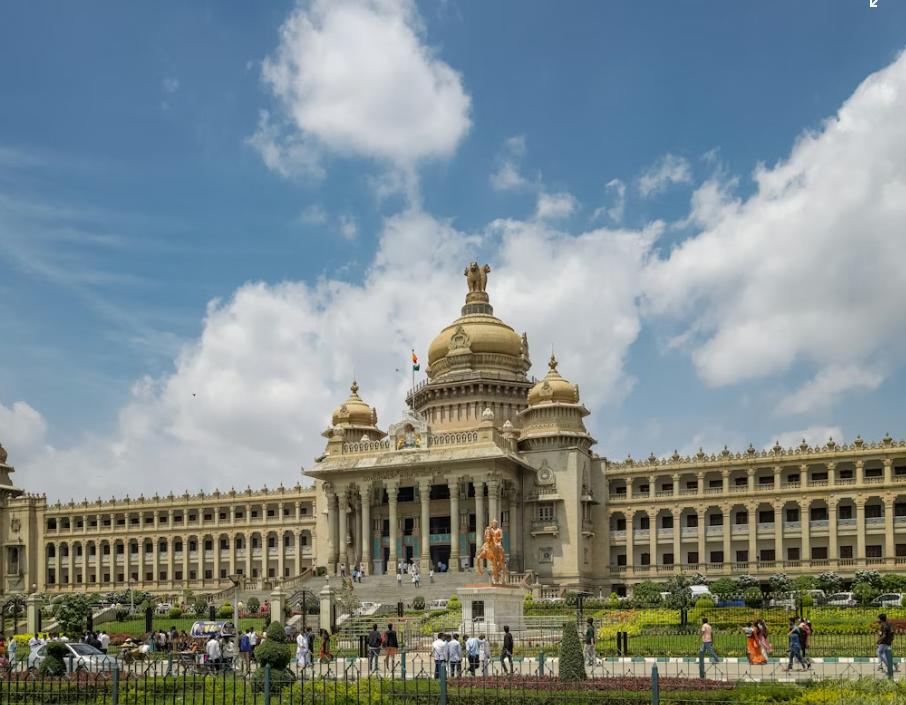
Source: Unsplash
The southern Indian state of Karnataka has implemented a landmark overhaul of its liquor policy, ending 60 years of state-mandated alcohol pricing and introduced an alcohol-in-beverage (AIB) taxation system in India, marking a radical shift in the state’s excise regulatory framework.
The sweeping reform, effective 1 April, abolishes the decades-long practice of having the state government in Bengaluru to fix the maximum retail prices (MRP) for all alcoholic products.
For the first time, alcohol producers and brand owners gain full authority to set retail prices independently, based on production costs, market demand and competitive dynamics, eliminating lengthy bureaucratic approval processes for product pricing and launches.
Distinctively, Karnataka is the only Indian state to adopt a full AIB-centric excise duty structure, replacing the country’s prevalent category-based and ad-valorem (price-based) tax models.
Under the new scheme, excise taxes are levied strictly on pure alcohol content per litre, with the state simplifying tax slabs from 16 to 8 to streamline compliance.
A phased implementation over 3 to 4 years is in place to minimize market disruption, with a base duty set at INR1,000 (USD10.74) per litre of pure alcohol.
While a handful of other Indian states, including Maharashtra, partially reference alcohol content in auxiliary tax calculations, none have fully abandoned state-controlled pricing or adopted AIB as the core taxation foundation.
Most Indian states continue to rely on MRP-linked or product-category specific levies with strict retail price regulation.
State officials project the new policy will boost market competitiveness and transparency, while targeting INR4.5 trillion (USD5.4 billion) in excise revenue for the 2026-27 fiscal year.
The alcohol sector is a critical source of revenue for Karnataka, one of India’s largest and most lucrative wine and spirits markets.
Industry stakeholders, including major domestic and international alcoholic drink firms, have welcomed the deregulation, citing greater operational flexibility and faster market entry for new products.
However, short-term price fluctuations have emerged, with estimates suggesting popular Indian-made liquor could see retail price hikes of 20 percent or more amid the tax transition.
(the writer can be contacted at: info@thewinechronicle.com)
ALL RIGHTS RESERVED
**IF YOU THINK THE WINE CHRONICLE IS WORTH SUPPORTING, PLEASE MAKE A DONATION TO HELP US IMPROVE AND CONTINUE OUR WORK**
TRENDING│ FOCUS│ MISSION│ ABOUT US│ CONTACT
|