NEWS
TAIWAN’S DOMESTIC WINE BOOM: TERROIR-DRIVEN STYLES TAKE CENTRE STAGE
By Staff Reporter
28-4-2026
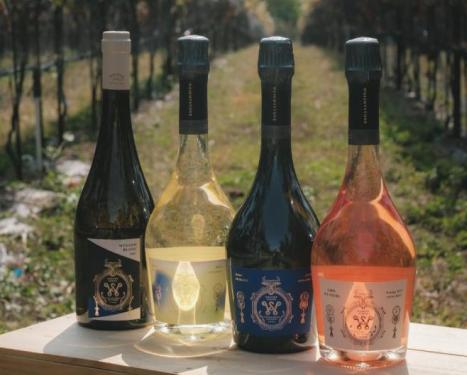
Source: Weightstone Winery
Taiwan’s domestic wine industry is experiencing a transformative surge, with local wineries reporting double-digit sales growth and capturing an expanded share of the market. Driven by a newfound appreciation for terroir-driven styles and award-winning craftsmanship, local wines are emerging as a significant force in Taiwan’s beverage landscape.
The Taiwan Wine & Spirits Association (TWSA) recorded a 22 percent year-on-year increase in domestic wine sales volume in the first quarter of 2026, outpacing the 3 percent growth rate for imported wines.
Retail giant Carrefour Taiwan reported local wines now account for 18 percent of total wine shelf sales, up from just 7 percent in 2023.
The Taipei Wine Cellar, a premium retailer with 12 locations nationwide, stated sales of local wines have quadrupled since 2024.
Top-selling labels like Weightstone’s Muscat Blanc and Sun Moon Lake Vineyard’s 2023 Cabernet Sauvignon-Merlot consistently outsell mid-tier French and Australian imports.
Luxury hotels’ wine programs, such as the Mandarin Oriental Taipei’s restaurant pairings, now feature more than 15 local wines, a threefold increase from 2022.
Quality improvements have been pivotal to this growth, with local vintages earning international acclaim.
In 2025, 12 Taiwanese wines won medals at the Vinalies Internationales Competition in France, including a gold for Weightstone’s 2022 Black Queen red. Domestically, the 2026 Erlin Amethyst Cup saw a record 87 entries, with 60 percent of winners scoring 90+ points out of 100, signalling elevated quality standards.
This recognition has directly boosted sales. Kinmen’s Johun Winery, whose flagship red won three consecutive Grand Prizes at the Taiwan Wine & Spirits Awards, reported a 35 percent sales increase in 2026, with exports to Hong Kong and Singapore up 50 percent.
Sun Moon Lake Vineyard’s debut estate-bottled red (NTD950/bottle) sold out within two weeks of its April release, with pre-orders accounting for 70 percent of inventory.
Taiwan’s emerging wine regions each offer distinctive flavour profiles, reflecting their unique growing conditions.
Erlin (Changhua County), known as “Taiwan’s Bordeaux,” specializes in bold red wines. The region’s moderate climate and well-drained soils produce wines characterised by rich blackcurrant and plum notes, with subtle vanilla and cedar undertones from oak ageing. Erlin’s signature wines often exhibit a smooth, velvety texture with balanced tannins, making them ideal for pairing with local cuisine like braised pork belly and spicy hot pot.
Puli (Nantou County), located in central Taiwan’s highlands, is celebrated for its aromatic white wines. The area’s cool temperatures and high altitude yield wines featuring intense citrus and tropical fruit aromas—think ripe mango, passion fruit, and lime zest. Puli’s Muscat and Riesling varieties are particularly distinctive, often with bright acidity and a delicate floral finish, perfect for accompanying fresh seafood and light salads.
Yamanashi-like High-Altitude Zones (Nantou and Hsinchu) produce elegant, structured wines. These higher elevations create wines with concentrated dark fruit flavours (blackberry, cherry) and subtle earthy notes. The wines often display a refreshing acidity and a lingering finish, making them versatile with both local and international dishes.
Sun Moon Lake Region (Nantou) offers unique sparkling wines and light-bodied reds. Wines here feature bright red berry flavours (strawberry, raspberry) and delicate bubbles. The region’s sparkling wines are particularly noted for their crisp finish, making them popular choices for celebrations and pairing with Taiwan’s famous street food.
Driving this surge is a new cohort of consumers. The TWSA’s 2026 Consumer Survey found that 68 percent of wine drinkers aged 20 to 39 prioritise local wines, citing “unique terroir” (72%), “support for local farmers” (65%), and “distinct flavor profiles” (61%) as key motivations.
Boutique wineries are capitalising on this trend. Puli-based 18 Men Winery has expanded its distribution to high-end restaurants and hotels, focusing on promoting its regionally distinctive wines. Nantou’s Highland Vineyard has seen a 40 percent sales jump by emphasising its high-altitude Riesling, known for its vibrant citrus notes and balanced acidity.
Price wise, most local wines retail for NTD800–2,000 (USD25.5-63.6) per bottle, that is two to three times the price of mass-market imports, limiting mainstream penetration.
However, Taiwan wineries still managed to expand collaborations overseas: Weightstone now supplies its wines to 12 international hotels in Hong Kong and Tokyo, while Johun Winery signed a distribution deal with Singapore’s leading wine importer, Vin+Wine, in April 2026.
As Taiwan winemakers continue to refine their craft and consumers continue to embrace the unique terroir expressions of each region, Taiwan’s wines are poised to gain greater international recognition over time.
(the writer can be contacted at: info@thewinechronicle.com)
ALL RIGHTS RESERVED
**IF YOU THINK THE WINE CHRONICLE IS WORTH SUPPORTING, PLEASE MAKE A DONATION TO HELP US IMPROVE AND CONTINUE OUR WORK**
TRENDING│ FOCUS│ MISSION│ ABOUT US│ CONTACT
|